Run a weekly spending check for omissions and upcoming bills
Check seven days of purchases, correct missing entries, and list bills due before your next review without rebuilding your whole monthly budget.
A weekly spending check answers two questions. Did you record the purchases you made during the last seven days, and which bills need attention before your next check? Compare your notebook with receipts and payment records, fix confirmed gaps, then write a short list of upcoming costs. Save category trends and changes to your overall plan for the monthly review.
Choose a clear seven-day window
Write the start and end dates before adding totals. Monday through Sunday is one option, but any consistent seven-day window works. If you missed a review, state the longer period you are checking. Otherwise an extra few days can make a normal week look unusually expensive. Include the year when your notes cross a year boundary.
Collect receipts, the purchase records you can access, and your own cash notes. You do not need to copy every bank line into the expense notebook. Withdrawals, transfers, and a payment of a previously recorded card balance have different purposes. The guide to cash and card spending explains how to keep those movements from inflating purchase totals.
Compare each item using its description, amount, and purchase date. A merchant may appear under a different name on the payment record. A purchase may also post later. Check the evidence before adding another entry. If you only remember an approximate cash amount, keep it marked as an estimate in your external working notes until you can verify it.
Correct the record before reading the total
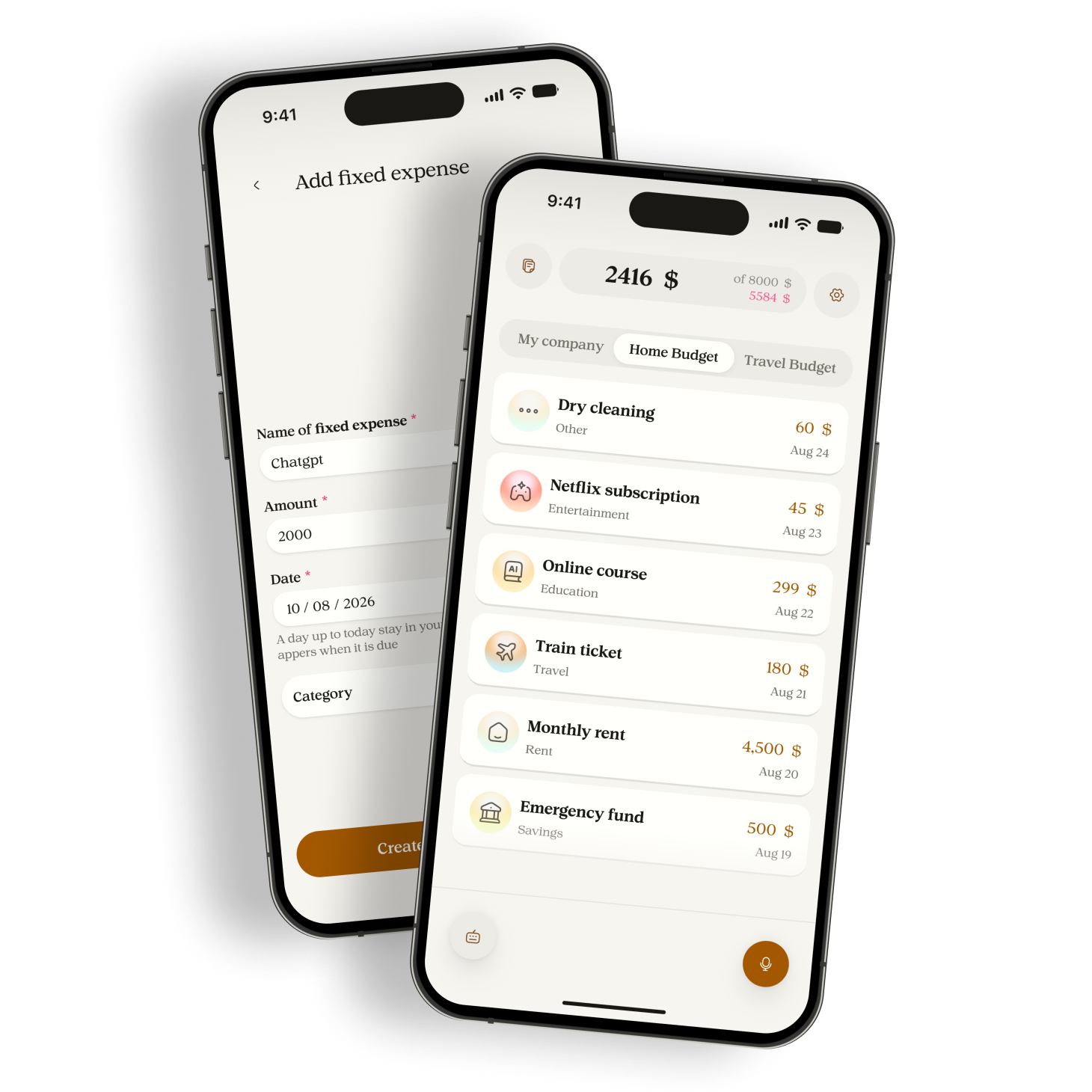
Look first for missing small purchases, repeated entries, and a mistaken date that moved an item into another week. Manor lets you review and correct expense details. It does not automatically import bank purchases or reconcile your notebook with your bank. Do the comparison yourself, and check what is actually saved after any correction.
Do not create a purchase merely to make two totals match. A bank balance can include money received, transfers, and spending from outside the selected dates. Write down the unresolved difference and the next thing to check. If you are working with another person, ask about the agreed shared items without requesting unrelated personal transactions.
Work through a corrected week
Consider an illustrative euro example, not a suggested spending allowance. Your notebook totals 146 euros for the selected seven days. You find a missing 6-euro bus ticket and a missing 18-euro grocery purchase. You also confirm that a 12-euro purchase appears twice. The corrected spending total is 146 + 6 + 18 - 12 = 158 euros.
The evidence matters more than the subtraction. If two 12-euro entries are separate purchases, keep both. If the bus ticket was bought outside your dates, put it in the right period instead. After fixing the entries, add the saved amounts again and confirm the total is 158 euros for this example. Keep a short external note explaining a correction if you need one.
Look ahead without recording bills as paid
The CFPB bill calendar asks readers to list bill amounts and payment dates, including automatic payments. Use that idea for the days before your next review. Check the bill or provider record for its amount and due date. For a variable bill that has not arrived, identify the amount as an estimate rather than treating last month's figure as confirmed.
Suppose you have separately checked 240 euros of available cash and account funds for the same example. A 45-euro service bill and a 30-euro transport pass fall due before the next check. Reserving those amounts leaves 240 - 45 - 30 = 165 euros before other needs and commitments. This is a planning calculation, not a new expense total or proof that the whole amount can be spent.
Keep the upcoming list on paper or in a free calendar. An expected bill belongs there until you have a payment to record. If a recurring expense already appears in Manor, check it before adding a manual copy. A recorded template entry is not evidence that the provider received payment. Use the remaining budget guide if you need to distinguish planned headroom from money currently in an account.
Use a repeatable checklist
- Name the dates and the currency. Gather the notebook, receipts, cash notes, and payment records for that exact period.
- Match purchases before adding entries. Confirm possible duplicates by checking date, description, and amount together.
- Correct confirmed omissions and errors. Keep uncertain amounts in a separate working list with a concrete next step to verify them.
- Write the next bills, their amounts, and their dates outside the paid-expense total. Mark estimates and check automatic payments too.
- Choose one follow-up, such as finding a receipt or confirming a variable bill. Set the next review date and keep the same week boundary.
Leave the monthly questions for another day
One week can include a large annual payment or very few ordinary purchases. It cannot establish your usual monthly cost of living. Use the monthly review to compare categories and longer-term patterns. End the weekly check with a corrected record and a short upcoming-bill list, even if one item still needs evidence.
Sources
Related reading
What your remaining budget actually tells you
Separate your recorded spending allowance from money available for bills. A worked example shows how to check commitments without double counting.
Record cash and card purchases without counting them twice
Use one purchase-based record for cash and card. Keep withdrawals, later card payments, and split payments from inflating the total.